FAQs
-
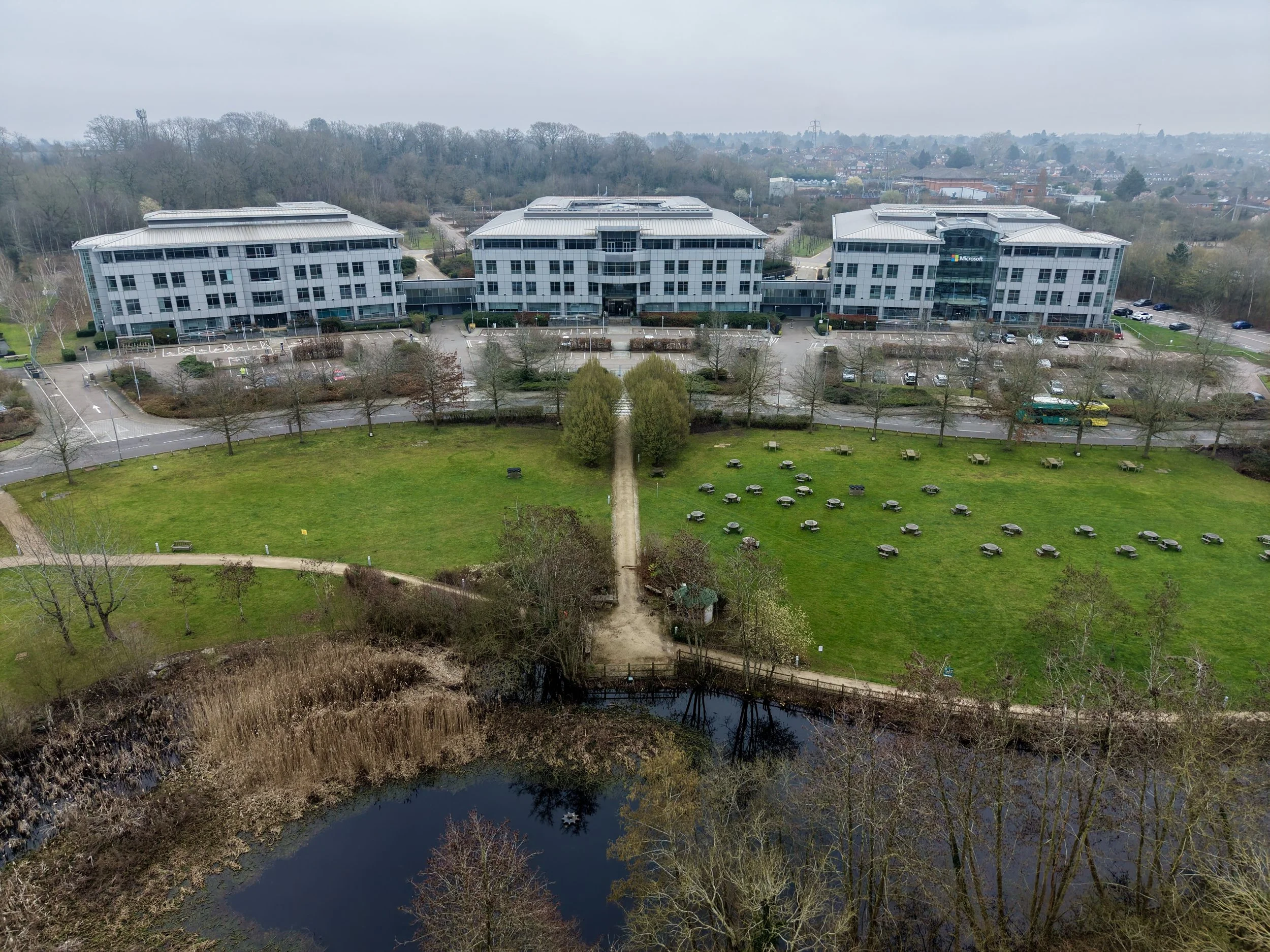
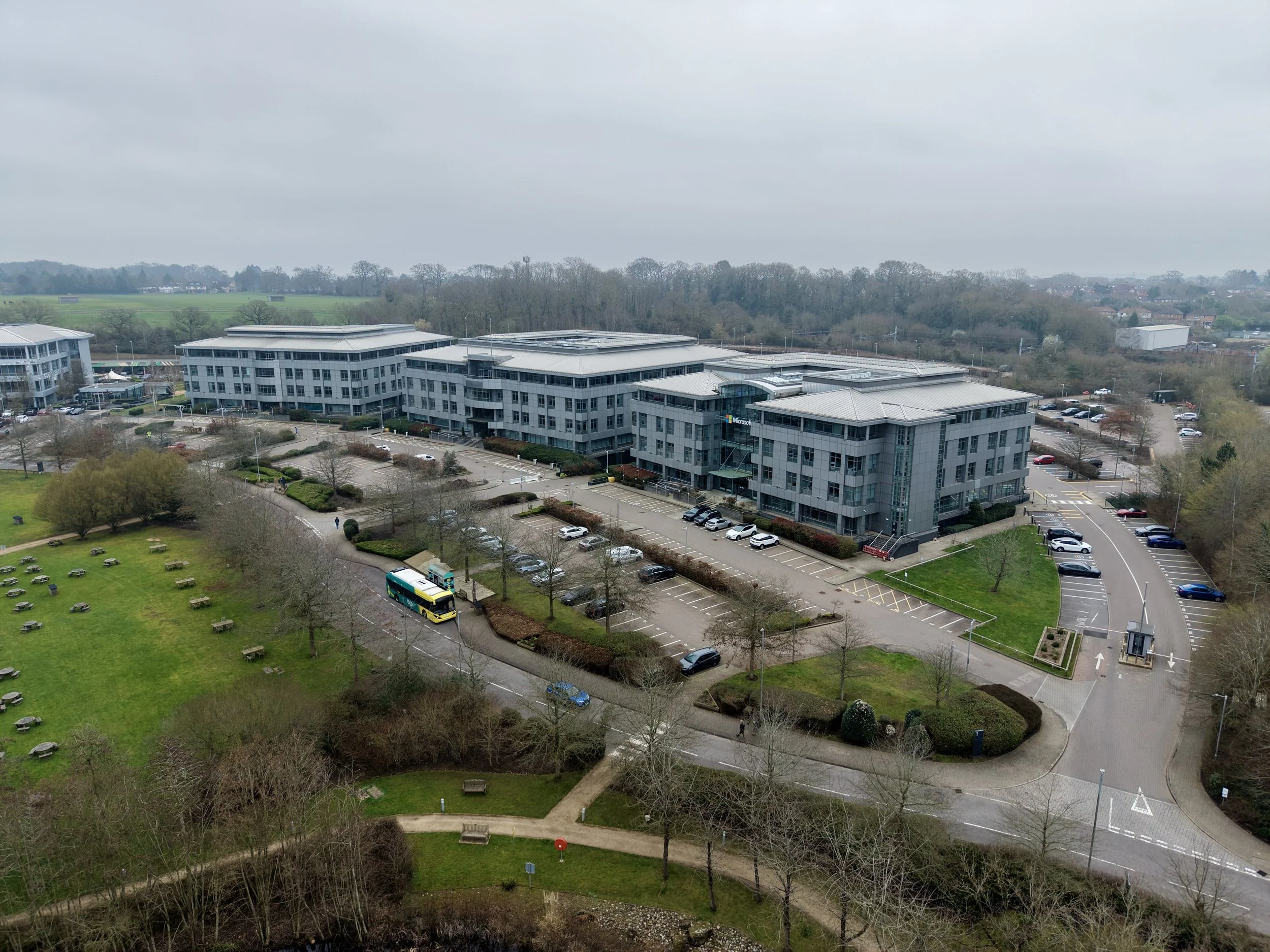
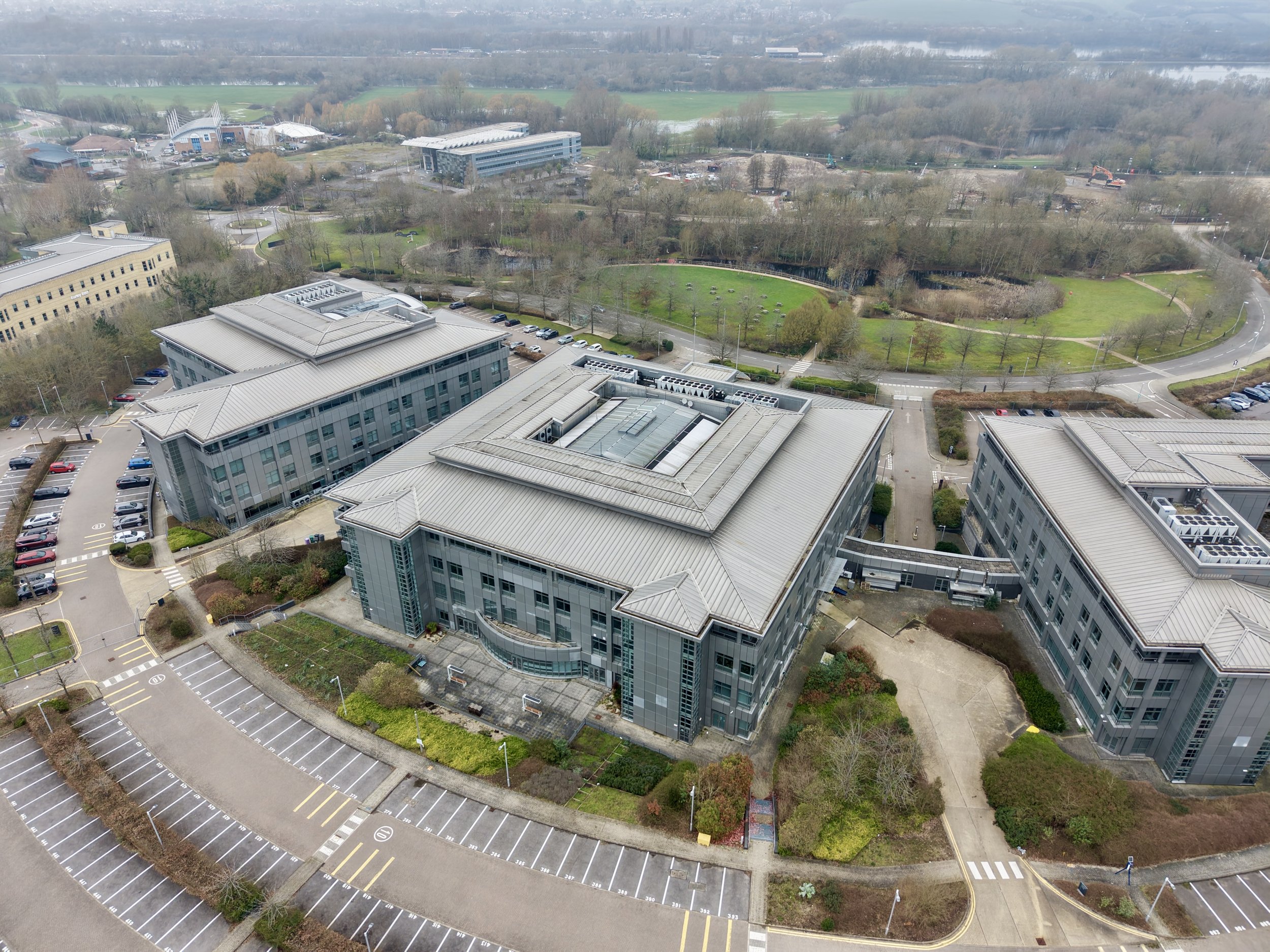
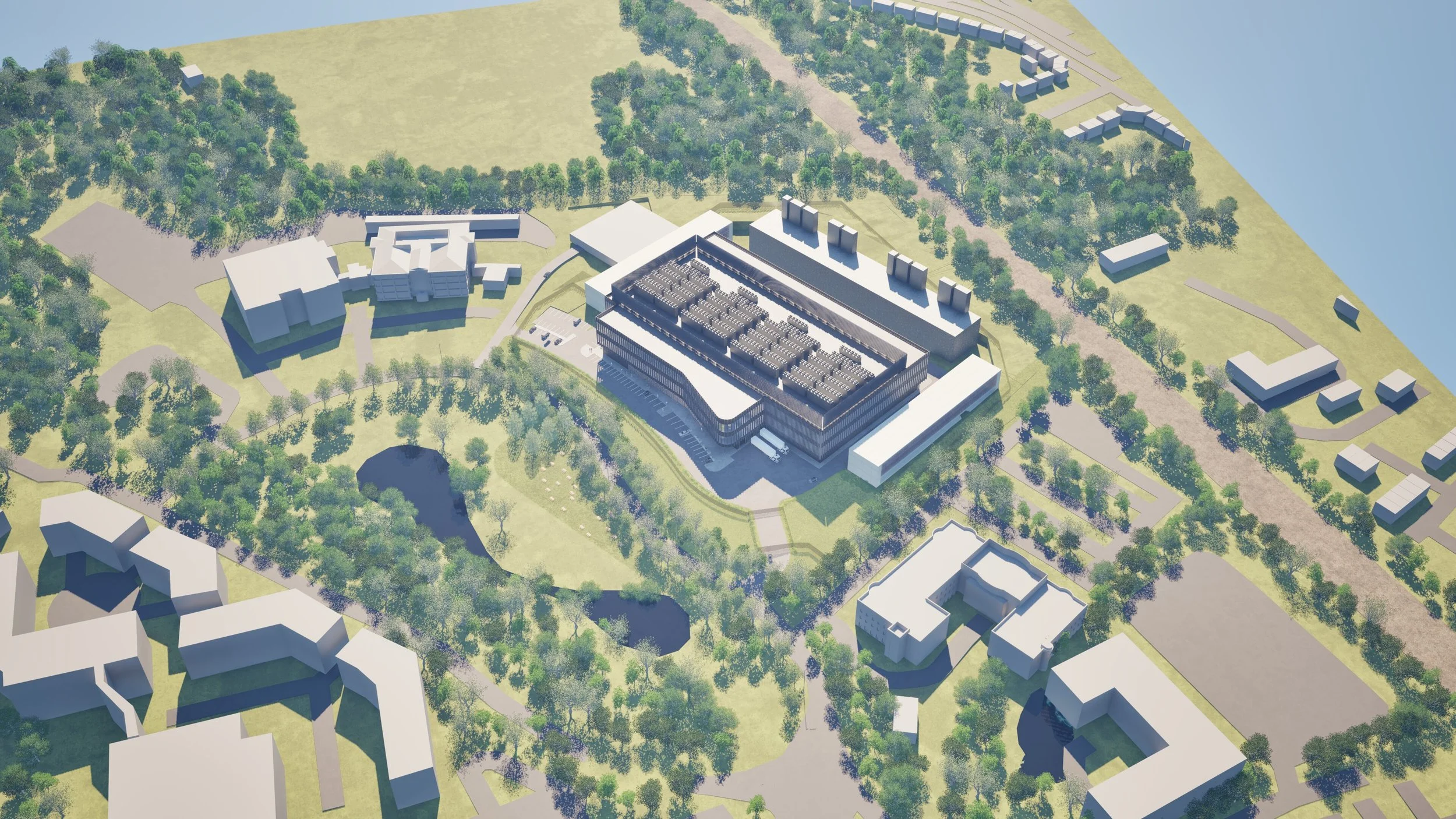
As the site is in an existing business park, it will be situated within an already built-up environment, helping to limit its visibility and wider visual impact. As we are seeing a downward trend in demand for office space in the area, our proposed data centre provides a viable long-term use for the site.
-
We will conduct noise assessments and install necessary mitigation, such as acoustic barriers and plant silencers, to ensure noise levels remain within acceptable levels. We will submit a Noise Impact Assessment as part of the full planning application.
-
The proposed data centre would deliver a minimum 10% Biodiversity Net Gain on the site.
More detailed information on our ecology and landscape enhancements will be submitted as part of our full planning application.
-
Many modern data centres capture heat from servers and cooling systems. This waste heat can be reused for nearby homes, businesses, or community projects, helping to improve energy efficiency and reduce carbon emissions. As a part of our public engagement, we are exploring the opportunities to reuse waste heat locally.
-
As part of the planning process, we will provide a Transport Plan that outlines access routes to the site and measures to mitigate impacts on the local traffic network. This includes setting designated delivery times to reduce congestion during peak hours and avoiding particularly busy routes or times of day.
Most construction deliveries will be scheduled outside peak hours, and routes will be agreed in advance with local authorities. Local residents will also have the opportunity to feedback on these plans as part of the public consultation.
-
Similar to how a car’s radiator removes heat to keep the engine running smoothly, our proposed air-cooling system would continuously remove heat from the servers. Water will carry the heat from the data rooms to chillers on the roof where it will be cooled by air. The water circulates in a closed loop, meaning once operational, the data centre will require minimal new water.